Buy tennisverein.eu ?
We are moving the project
tennisverein.eu .
Are you interested in purchasing the domain
tennisverein.eu ?
domain@kv-gmbh.de · 0541-91531010
Buy tennisverein.eu ?
Why do mesophytes have small stomata?
Mesophytes have small stomata to regulate water loss through transpiration. By having smaller stomata, mesophytes can control the amount of water vapor that escapes from their leaves, helping them to conserve water in environments where water availability may be limited. Additionally, smaller stomata reduce the risk of desiccation in dry conditions, allowing mesophytes to thrive in a variety of habitats. **
What are guard cells and stomata?
Guard cells are specialized cells found in the epidermis of plant leaves that surround and control the opening and closing of tiny pores called stomata. Stomata are small openings on the surface of leaves that allow for the exchange of gases such as carbon dioxide and oxygen, as well as the release of water vapor during transpiration. Guard cells regulate the opening and closing of stomata in response to environmental factors such as light intensity, humidity, and carbon dioxide levels to help plants maintain proper gas exchange and water balance. **

Similar search terms for Stomata
Top-Angebote
Products related to Stomata:
-
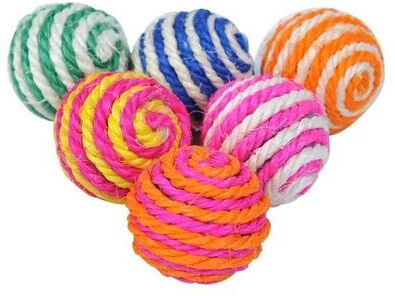
Uplift Essentials """Jingle Pulse"" Interactive Hollow Training Balls (10 Pack) ""Jingle Pulse"" Interactive Hollow Training Balls (10 Pack)""Keep your pets agility sharp and their curiosity piqued with the ""JinglePulse"" Interactive Hollow Training Balls. This 10piece set is an essential staple for any pet household, featuring lightweight, highimpact plastic balls with a hollow ""lattice""..."34,97 $*Shipping: 0,00 $Secure redirect to the provider
-
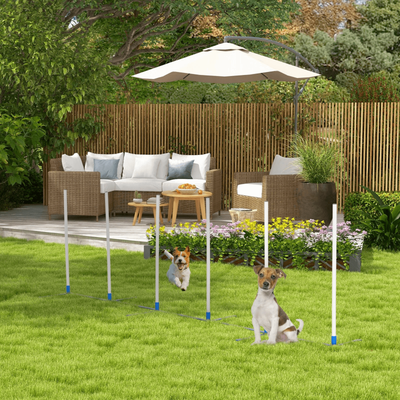
Daily Deals Depot Premium Dog Weave Pole Set Agility Starter Kit, Outdoor Pet Training & Exercise Equipment Premium Dog Weave Pole Set Agility Starter Kit, Outdoor Pet Training & Exercise EquipmentTransform your pups exercise routine with this Premium Dog Weave Pole Set Agility Starter Kitthe ultimate outdoor dog agility equipment that encourages both physical activity and mental stimulation. Comprehensive Dog Agility Set: Includes 12 fully...174,97 $*Shipping: 0,00 $Secure redirect to the provider
-
Uplift Essentials """Velocity Bounce"" Interactive High Elasticity Training Balls (24 Pack) ""Velocity Bounce"" Interactive High Elasticity Training Balls (24 Pack)""Keep your kittens agility sharp and their energy focused with the ""VelocityBounce"" Interactive Training Balls. This 24piece bulk set is the ultimate solution for active indoor cats that love highspeed ""bat and chase"" play. Crafted from highdensity,..."39,97 $*Shipping: 0,00 $Secure redirect to the provider



-
Why do stomata close at midday?
Stomata close at midday to prevent excessive water loss through transpiration. During the hottest part of the day, the plant can lose a significant amount of water through open stomata, which can lead to dehydration and wilting. By closing the stomata, the plant can conserve water and maintain its turgidity, allowing it to survive the heat and dry conditions. Additionally, closing the stomata can also help to regulate the exchange of gases, such as carbon dioxide and oxygen, within the plant. **
-
What are stomata in plants in biology?
Stomata are small pores found on the surface of plant leaves and stems that are responsible for gas exchange. They allow for the uptake of carbon dioxide for photosynthesis and the release of oxygen and water vapor. Stomata are surrounded by specialized cells called guard cells, which control the opening and closing of the pores to regulate the exchange of gases and the loss of water through transpiration. This process is crucial for the survival and growth of plants. **
-
Why are the stomata located underneath the leaf?
Stomata are located underneath the leaf to reduce water loss through transpiration. Placing the stomata on the underside of the leaf helps to minimize exposure to direct sunlight and wind, which can increase water loss. Additionally, having the stomata on the underside of the leaf helps to protect them from potential damage and blockage by dust and other particles. This positioning also allows for better control of gas exchange and helps to maintain the internal water balance of the plant. **
-
Are dry plants hydrophilic and do they have sunken stomata?
Dry plants are not hydrophilic, as they do not have a strong affinity for water. In fact, they often have adaptations to conserve water, such as waxy cuticles and reduced stomata. Additionally, dry plants may have sunken stomata, which helps to reduce water loss by creating a barrier between the stomata and the external environment. These adaptations are important for the survival of dry plants in arid environments. **


Why do aquatic plants have their stomata on top, moist plants on top, adaptable plants on the bottom, and dry plants have sunken stomata?
Aquatic plants have their stomata on top to facilitate gas exchange with the surrounding water. Moist plants have stomata on top to prevent excessive water loss and maintain a moist environment for photosynthesis. Adaptable plants have stomata on the bottom to regulate water loss and gas exchange based on environmental conditions. Dry plants have sunken stomata to reduce water loss through evaporation and protect the stomata from drying out in arid conditions. **
Why do water plants have their stomata on top, moist plants on top, adaptable plants on the bottom, and dry plants have sunken stomata?
Water plants have their stomata on top to prevent water loss and allow for efficient gas exchange with the atmosphere. Moist plants have their stomata on top to take advantage of the moist air and reduce water loss. Adaptable plants have their stomata on the bottom to minimize water loss and adapt to varying environmental conditions. Dry plants have sunken stomata to reduce water loss and protect the stomata from drying out in arid conditions. Each type of plant has evolved to have stomata placement that best suits their specific environmental needs. **
Top-Angebote
Products related to Stomata:
-
Uplift Essentials Interactive Rainbow Training Fetch Balls Interactive Rainbow Training Fetch BallsAn indoor lifestyle or long hours spent alone can occasionally leave active pets feeling understimulated, leading to restless afternoon boredom, anxiety, or the unwanted chewing of household cushions and footwear. Channel your pet's instinctual...34,97 $*Shipping: 0,00 $Secure redirect to the provider
-
Uplifted Finds Interactive Pet Training And Chewing Toy Balls Pack Interactive Pet Training And Chewing Toy Balls PackKeep your furry companions active, healthy, and thoroughly entertained with this premium 4piece interactive pet toy ball set. Perfectly sized for kittens, adult cats, and small dogs, these versatile balls are designed to withstand daily batting,...35,97 $*Shipping: 0,00 $Secure redirect to the provider
-
Uplift Essentials """Jingle Pulse"" Interactive Hollow Training Balls (10 Pack) ""Jingle Pulse"" Interactive Hollow Training Balls (10 Pack)""Keep your pets agility sharp and their curiosity piqued with the ""JinglePulse"" Interactive Hollow Training Balls. This 10piece set is an essential staple for any pet household, featuring lightweight, highimpact plastic balls with a hollow ""lattice""..."34,97 $*Shipping: 0,00 $Secure redirect to the provider
-
Daily Deals Depot Premium Dog Weave Pole Set Agility Starter Kit, Outdoor Pet Training & Exercise Equipment Premium Dog Weave Pole Set Agility Starter Kit, Outdoor Pet Training & Exercise EquipmentTransform your pups exercise routine with this Premium Dog Weave Pole Set Agility Starter Kitthe ultimate outdoor dog agility equipment that encourages both physical activity and mental stimulation. Comprehensive Dog Agility Set: Includes 12 fully...174,97 $*Shipping: 0,00 $Secure redirect to the provider
-
Why do mesophytes have small stomata?
Mesophytes have small stomata to regulate water loss through transpiration. By having smaller stomata, mesophytes can control the amount of water vapor that escapes from their leaves, helping them to conserve water in environments where water availability may be limited. Additionally, smaller stomata reduce the risk of desiccation in dry conditions, allowing mesophytes to thrive in a variety of habitats. **
-
What are guard cells and stomata?
Guard cells are specialized cells found in the epidermis of plant leaves that surround and control the opening and closing of tiny pores called stomata. Stomata are small openings on the surface of leaves that allow for the exchange of gases such as carbon dioxide and oxygen, as well as the release of water vapor during transpiration. Guard cells regulate the opening and closing of stomata in response to environmental factors such as light intensity, humidity, and carbon dioxide levels to help plants maintain proper gas exchange and water balance. **
-
Why do stomata close at midday?
Stomata close at midday to prevent excessive water loss through transpiration. During the hottest part of the day, the plant can lose a significant amount of water through open stomata, which can lead to dehydration and wilting. By closing the stomata, the plant can conserve water and maintain its turgidity, allowing it to survive the heat and dry conditions. Additionally, closing the stomata can also help to regulate the exchange of gases, such as carbon dioxide and oxygen, within the plant. **
-
What are stomata in plants in biology?
Stomata are small pores found on the surface of plant leaves and stems that are responsible for gas exchange. They allow for the uptake of carbon dioxide for photosynthesis and the release of oxygen and water vapor. Stomata are surrounded by specialized cells called guard cells, which control the opening and closing of the pores to regulate the exchange of gases and the loss of water through transpiration. This process is crucial for the survival and growth of plants. **
Similar search terms for Stomata
-
Uplift Essentials """Velocity Bounce"" Interactive High Elasticity Training Balls (24 Pack) ""Velocity Bounce"" Interactive High Elasticity Training Balls (24 Pack)""Keep your kittens agility sharp and their energy focused with the ""VelocityBounce"" Interactive Training Balls. This 24piece bulk set is the ultimate solution for active indoor cats that love highspeed ""bat and chase"" play. Crafted from highdensity,..."39,97 $*Shipping: 0,00 $Secure redirect to the provider
-
Uplift Essentials Cloud Soft Interactive Training Balls (10 Piece Value Pack) Cloud Soft Interactive Training Balls (10 Piece Value Pack)"Give your kitten a world of gentle, highenergy play with our 10Piece Stretch Plush Ball Set. These aren't your average cat toy balls; they are crafted from ultraelastic, highdensity plush fibers that provide a unique ""squish and bounce"" sensation..."34,97 $*Shipping: 0,00 $Secure redirect to the provider
-
Inspire Daily Merch Gnaw Resistant Durable Rubber Dog Chew Balls Interactive Training Gnaw Resistant Durable Rubber Dog Chew Balls Interactive TrainingDurable Rubber Dog Chew Balls for Interactive Training and Educational Play Keep your dog entertained and engaged with these 2pcs durable rubber dog chew balls. Crafted with gnawresistant material, these chew balls are perfect for dogs that love to...32,97 $*Shipping: 0,00 $Secure redirect to the provider
-
Why are the stomata located underneath the leaf?
Stomata are located underneath the leaf to reduce water loss through transpiration. Placing the stomata on the underside of the leaf helps to minimize exposure to direct sunlight and wind, which can increase water loss. Additionally, having the stomata on the underside of the leaf helps to protect them from potential damage and blockage by dust and other particles. This positioning also allows for better control of gas exchange and helps to maintain the internal water balance of the plant. **
-
Are dry plants hydrophilic and do they have sunken stomata?
Dry plants are not hydrophilic, as they do not have a strong affinity for water. In fact, they often have adaptations to conserve water, such as waxy cuticles and reduced stomata. Additionally, dry plants may have sunken stomata, which helps to reduce water loss by creating a barrier between the stomata and the external environment. These adaptations are important for the survival of dry plants in arid environments. **
-
Why do aquatic plants have their stomata on top, moist plants on top, adaptable plants on the bottom, and dry plants have sunken stomata?
Aquatic plants have their stomata on top to facilitate gas exchange with the surrounding water. Moist plants have stomata on top to prevent excessive water loss and maintain a moist environment for photosynthesis. Adaptable plants have stomata on the bottom to regulate water loss and gas exchange based on environmental conditions. Dry plants have sunken stomata to reduce water loss through evaporation and protect the stomata from drying out in arid conditions. **
-
Why do water plants have their stomata on top, moist plants on top, adaptable plants on the bottom, and dry plants have sunken stomata?
Water plants have their stomata on top to prevent water loss and allow for efficient gas exchange with the atmosphere. Moist plants have their stomata on top to take advantage of the moist air and reduce water loss. Adaptable plants have their stomata on the bottom to minimize water loss and adapt to varying environmental conditions. Dry plants have sunken stomata to reduce water loss and protect the stomata from drying out in arid conditions. Each type of plant has evolved to have stomata placement that best suits their specific environmental needs. **
* All prices are inclusive of VAT and, if applicable, plus shipping costs. The offer information is based on the details provided by the respective shop and is updated through automated processes. Real-time updates do not occur, so deviations can occur in individual cases. ** Note: Parts of this content were created by AI.