Buy tennisverein.eu ?
We are moving the project
tennisverein.eu .
Are you interested in purchasing the domain
tennisverein.eu ?
domain@kv-gmbh.de · 0541-91531010
Buy tennisverein.eu ?
Is allosteric inhibition the same as non-competitive inhibition?
Allosteric inhibition and non-competitive inhibition are not the same, although they are related. Non-competitive inhibition refers to the binding of an inhibitor to a site on the enzyme that is not the active site, thereby preventing the substrate from binding to the active site. Allosteric inhibition, on the other hand, occurs when an inhibitor binds to a site on the enzyme that is distinct from the active site, causing a conformational change in the enzyme that reduces its activity. While both types of inhibition involve the binding of an inhibitor to a site other than the active site, allosteric inhibition specifically involves a change in the enzyme's shape and activity. **
What type of inhibition occurs through allosteric activation/inhibition?
Allosteric inhibition occurs when a molecule binds to an allosteric site on an enzyme, causing a conformational change that reduces the enzyme's activity. This type of inhibition is non-competitive, meaning it does not compete with the substrate for the active site. Allosteric activation, on the other hand, occurs when a molecule binds to an allosteric site and enhances the enzyme's activity. Both allosteric inhibition and activation involve the binding of a regulatory molecule to a site other than the active site of the enzyme, leading to a change in the enzyme's activity. **

Similar search terms for Inhibition
Top-Angebote
Products related to Inhibition:
-
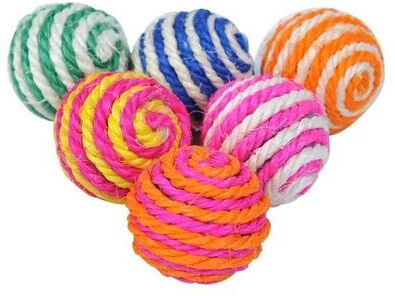
Uplift Essentials """Jingle Pulse"" Interactive Hollow Training Balls (10 Pack) ""Jingle Pulse"" Interactive Hollow Training Balls (10 Pack)""Keep your pets agility sharp and their curiosity piqued with the ""JinglePulse"" Interactive Hollow Training Balls. This 10piece set is an essential staple for any pet household, featuring lightweight, highimpact plastic balls with a hollow ""lattice""..."34,97 $*Shipping: 0,00 $Secure redirect to the provider
-
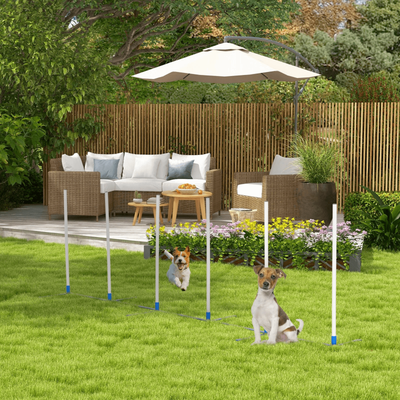
Daily Deals Depot Premium Dog Weave Pole Set Agility Starter Kit, Outdoor Pet Training & Exercise Equipment Premium Dog Weave Pole Set Agility Starter Kit, Outdoor Pet Training & Exercise EquipmentTransform your pups exercise routine with this Premium Dog Weave Pole Set Agility Starter Kitthe ultimate outdoor dog agility equipment that encourages both physical activity and mental stimulation. Comprehensive Dog Agility Set: Includes 12 fully...174,97 $*Shipping: 0,00 $Secure redirect to the provider
-
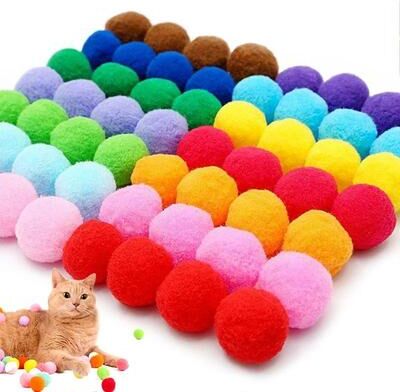
Uplift Essentials Cloud Soft Interactive Training Balls (10 Piece Value Pack) Cloud Soft Interactive Training Balls (10 Piece Value Pack)"Give your kitten a world of gentle, highenergy play with our 10Piece Stretch Plush Ball Set. These aren't your average cat toy balls; they are crafted from ultraelastic, highdensity plush fibers that provide a unique ""squish and bounce"" sensation..."34,97 $*Shipping: 0,00 $Secure redirect to the provider
-
Uplift Essentials """Velocity Bounce"" Interactive High Elasticity Training Balls (24 Pack) ""Velocity Bounce"" Interactive High Elasticity Training Balls (24 Pack)""Keep your kittens agility sharp and their energy focused with the ""VelocityBounce"" Interactive Training Balls. This 24piece bulk set is the ultimate solution for active indoor cats that love highspeed ""bat and chase"" play. Crafted from highdensity,..."39,97 $*Shipping: 0,00 $Secure redirect to the provider


-
What is the difference between competitive inhibition and allosteric inhibition?
Competitive inhibition occurs when a molecule competes with the substrate for the active site of an enzyme, effectively blocking the substrate from binding and inhibiting the enzyme's activity. In contrast, allosteric inhibition occurs when a molecule binds to a site on the enzyme other than the active site, causing a conformational change that reduces the enzyme's activity. While competitive inhibition directly competes with the substrate for the active site, allosteric inhibition involves binding to a different site on the enzyme to regulate its activity. **
-
Is allosteric inhibition irreversible?
Allosteric inhibition is typically reversible, meaning that the inhibitor can bind to the allosteric site and block the activity of the enzyme, but can also dissociate from the site, allowing the enzyme to regain its activity. This is in contrast to irreversible inhibition, where the inhibitor forms a covalent bond with the enzyme, permanently inactivating it. **
-
Non-competitive inhibition, right?
Non-competitive inhibition is a type of enzyme inhibition where the inhibitor binds to a site on the enzyme that is not the active site. This binding causes a conformational change in the enzyme, making it less effective at catalyzing the reaction. Non-competitive inhibitors do not compete with the substrate for binding to the enzyme. Instead, they can bind to the enzyme-substrate complex or to a separate allosteric site on the enzyme. **
-
What is allosteric inhibition?
Allosteric inhibition is a type of enzyme regulation where a molecule binds to a site on the enzyme that is different from the active site, causing a conformational change in the enzyme's structure. This change reduces the enzyme's activity and ability to bind to its substrate, ultimately inhibiting its function. Allosteric inhibition is a reversible process and can be used to regulate enzyme activity in response to changing cellular conditions. **


What is the difference between allosteric inhibition and competitive inhibition in biology?
Allosteric inhibition occurs when a molecule binds to an allosteric site on an enzyme, causing a conformational change that reduces the enzyme's activity. This type of inhibition is non-competitive and can affect multiple enzymes in a metabolic pathway. On the other hand, competitive inhibition occurs when a molecule competes with the substrate for the active site of the enzyme, effectively blocking the substrate from binding and reducing the enzyme's activity. Competitive inhibition can be overcome by increasing the concentration of the substrate, while allosteric inhibition cannot be overcome in the same way. **
What causes growth inhibition from 8 kg dumbbell training?
Growth inhibition from 8 kg dumbbell training can be caused by a few factors. One potential reason is that the weight may not be challenging enough to stimulate muscle growth, leading to a plateau in progress. Additionally, inadequate rest and recovery time between workouts can also hinder muscle growth. Finally, poor nutrition and insufficient protein intake can limit the body's ability to build and repair muscle tissue, leading to growth inhibition. **
Top-Angebote
Products related to Inhibition:
-
Uplift Essentials Interactive Rainbow Training Fetch Balls Interactive Rainbow Training Fetch BallsAn indoor lifestyle or long hours spent alone can occasionally leave active pets feeling understimulated, leading to restless afternoon boredom, anxiety, or the unwanted chewing of household cushions and footwear. Channel your pet's instinctual...34,97 $*Shipping: 0,00 $Secure redirect to the provider
-
Uplifted Finds Interactive Pet Training And Chewing Toy Balls Pack Interactive Pet Training And Chewing Toy Balls PackKeep your furry companions active, healthy, and thoroughly entertained with this premium 4piece interactive pet toy ball set. Perfectly sized for kittens, adult cats, and small dogs, these versatile balls are designed to withstand daily batting,...35,97 $*Shipping: 0,00 $Secure redirect to the provider
-
Uplift Essentials """Jingle Pulse"" Interactive Hollow Training Balls (10 Pack) ""Jingle Pulse"" Interactive Hollow Training Balls (10 Pack)""Keep your pets agility sharp and their curiosity piqued with the ""JinglePulse"" Interactive Hollow Training Balls. This 10piece set is an essential staple for any pet household, featuring lightweight, highimpact plastic balls with a hollow ""lattice""..."34,97 $*Shipping: 0,00 $Secure redirect to the provider
-
Daily Deals Depot Premium Dog Weave Pole Set Agility Starter Kit, Outdoor Pet Training & Exercise Equipment Premium Dog Weave Pole Set Agility Starter Kit, Outdoor Pet Training & Exercise EquipmentTransform your pups exercise routine with this Premium Dog Weave Pole Set Agility Starter Kitthe ultimate outdoor dog agility equipment that encourages both physical activity and mental stimulation. Comprehensive Dog Agility Set: Includes 12 fully...174,97 $*Shipping: 0,00 $Secure redirect to the provider
-
Is allosteric inhibition the same as non-competitive inhibition?
Allosteric inhibition and non-competitive inhibition are not the same, although they are related. Non-competitive inhibition refers to the binding of an inhibitor to a site on the enzyme that is not the active site, thereby preventing the substrate from binding to the active site. Allosteric inhibition, on the other hand, occurs when an inhibitor binds to a site on the enzyme that is distinct from the active site, causing a conformational change in the enzyme that reduces its activity. While both types of inhibition involve the binding of an inhibitor to a site other than the active site, allosteric inhibition specifically involves a change in the enzyme's shape and activity. **
-
What type of inhibition occurs through allosteric activation/inhibition?
Allosteric inhibition occurs when a molecule binds to an allosteric site on an enzyme, causing a conformational change that reduces the enzyme's activity. This type of inhibition is non-competitive, meaning it does not compete with the substrate for the active site. Allosteric activation, on the other hand, occurs when a molecule binds to an allosteric site and enhances the enzyme's activity. Both allosteric inhibition and activation involve the binding of a regulatory molecule to a site other than the active site of the enzyme, leading to a change in the enzyme's activity. **
-
What is the difference between competitive inhibition and allosteric inhibition?
Competitive inhibition occurs when a molecule competes with the substrate for the active site of an enzyme, effectively blocking the substrate from binding and inhibiting the enzyme's activity. In contrast, allosteric inhibition occurs when a molecule binds to a site on the enzyme other than the active site, causing a conformational change that reduces the enzyme's activity. While competitive inhibition directly competes with the substrate for the active site, allosteric inhibition involves binding to a different site on the enzyme to regulate its activity. **
-
Is allosteric inhibition irreversible?
Allosteric inhibition is typically reversible, meaning that the inhibitor can bind to the allosteric site and block the activity of the enzyme, but can also dissociate from the site, allowing the enzyme to regain its activity. This is in contrast to irreversible inhibition, where the inhibitor forms a covalent bond with the enzyme, permanently inactivating it. **
Similar search terms for Inhibition
-
Uplift Essentials Cloud Soft Interactive Training Balls (10 Piece Value Pack) Cloud Soft Interactive Training Balls (10 Piece Value Pack)"Give your kitten a world of gentle, highenergy play with our 10Piece Stretch Plush Ball Set. These aren't your average cat toy balls; they are crafted from ultraelastic, highdensity plush fibers that provide a unique ""squish and bounce"" sensation..."34,97 $*Shipping: 0,00 $Secure redirect to the provider
-
Uplift Essentials """Velocity Bounce"" Interactive High Elasticity Training Balls (24 Pack) ""Velocity Bounce"" Interactive High Elasticity Training Balls (24 Pack)""Keep your kittens agility sharp and their energy focused with the ""VelocityBounce"" Interactive Training Balls. This 24piece bulk set is the ultimate solution for active indoor cats that love highspeed ""bat and chase"" play. Crafted from highdensity,..."39,97 $*Shipping: 0,00 $Secure redirect to the provider
-
Inspire Daily Merch Gnaw Resistant Durable Rubber Dog Chew Balls Interactive Training Gnaw Resistant Durable Rubber Dog Chew Balls Interactive TrainingDurable Rubber Dog Chew Balls for Interactive Training and Educational Play Keep your dog entertained and engaged with these 2pcs durable rubber dog chew balls. Crafted with gnawresistant material, these chew balls are perfect for dogs that love to...32,97 $*Shipping: 0,00 $Secure redirect to the provider
-
Non-competitive inhibition, right?
Non-competitive inhibition is a type of enzyme inhibition where the inhibitor binds to a site on the enzyme that is not the active site. This binding causes a conformational change in the enzyme, making it less effective at catalyzing the reaction. Non-competitive inhibitors do not compete with the substrate for binding to the enzyme. Instead, they can bind to the enzyme-substrate complex or to a separate allosteric site on the enzyme. **
-
What is allosteric inhibition?
Allosteric inhibition is a type of enzyme regulation where a molecule binds to a site on the enzyme that is different from the active site, causing a conformational change in the enzyme's structure. This change reduces the enzyme's activity and ability to bind to its substrate, ultimately inhibiting its function. Allosteric inhibition is a reversible process and can be used to regulate enzyme activity in response to changing cellular conditions. **
-
What is the difference between allosteric inhibition and competitive inhibition in biology?
Allosteric inhibition occurs when a molecule binds to an allosteric site on an enzyme, causing a conformational change that reduces the enzyme's activity. This type of inhibition is non-competitive and can affect multiple enzymes in a metabolic pathway. On the other hand, competitive inhibition occurs when a molecule competes with the substrate for the active site of the enzyme, effectively blocking the substrate from binding and reducing the enzyme's activity. Competitive inhibition can be overcome by increasing the concentration of the substrate, while allosteric inhibition cannot be overcome in the same way. **
-
What causes growth inhibition from 8 kg dumbbell training?
Growth inhibition from 8 kg dumbbell training can be caused by a few factors. One potential reason is that the weight may not be challenging enough to stimulate muscle growth, leading to a plateau in progress. Additionally, inadequate rest and recovery time between workouts can also hinder muscle growth. Finally, poor nutrition and insufficient protein intake can limit the body's ability to build and repair muscle tissue, leading to growth inhibition. **
* All prices are inclusive of VAT and, if applicable, plus shipping costs. The offer information is based on the details provided by the respective shop and is updated through automated processes. Real-time updates do not occur, so deviations can occur in individual cases. ** Note: Parts of this content were created by AI.